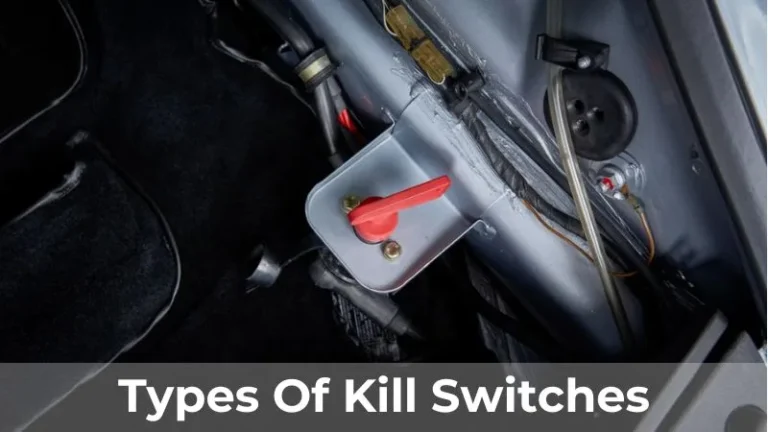
You flip the kill switch to run, hit the starter, and the engine stays silent. Is the fault in the kill switch or the ignition? The answer decides whether you need a cheap handlebar switch or a full electrical diagnosis.
Knowing the difference saves money and gets the bike back on the road.
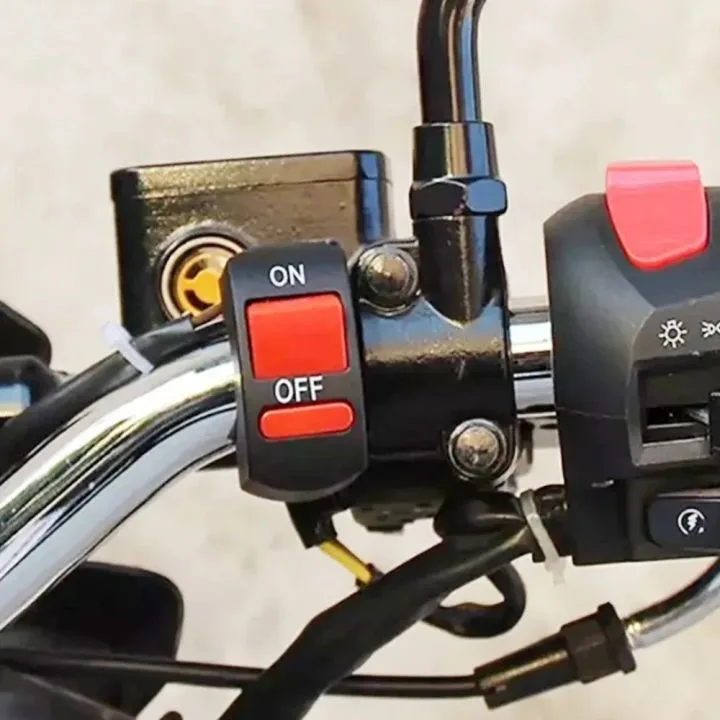
On most modern motorcycles, the kill switch is a handlebar-mounted emergency engine cut-off switch wired straight into the ignition circuit. It grounds or interrupts the signal to the ignition coil or Engine Control Unit (ECU). If that switch fails, the engine dies even though the key stays in the on position.
That distinction is where you start.
Quick Answer: Kill Switch vs Ignition, What’s Actually Broken?
A kill switch fault kills the engine while the key stays on. An ignition fault stops power from reaching the starter and fuel systems. If it cranks but won’t fire, suspect the kill switch.
No crank and no lights? Suspect the ignition, battery, or fuse. Test the kill switch continuity first.
It is faster and cheaper.
How the Kill Switch, Ignition, and Starting Circuit Interact
The kill switch is a momentary handlebar control that shuts the engine down without turning off the lights or accessories. It works by breaking or grounding the ignition circuit. On carburettored bikes, it often kills the spark by grounding the ignition coil.
On fuel-injected models, it cuts the signal to the Engine Control Unit (ECU) or the fuel pump relay.
The ignition switch is the master gate. When you turn the key, it sends battery voltage to the ECU, the fuel pump, the starter relay, and the instrument cluster. A healthy ignition switch delivers power to every system.
A failed one leaves the bike completely dead.
Both switches live in the same starting circuit but do different jobs. The kill switch is an emergency engine cut-off switch designed for quick shutdowns. The ignition switch is the master power gate for the whole motorcycle.
Confusing the two leads to needless parts swaps.
Safety switches add another layer. The side stand switch, clutch switch, and neutral switch all sit between the ignition and the starter. If any of them fails, the starter stays silent even with a good key and kill switch.
Manufacturers wire these components differently across models. Some kill switches are normally open, meaning they complete the circuit to run. Others are normally closed, meaning they break the circuit to stop.
Check your wiring diagram before testing.
On many bikes, the ignition switch does more than start the engine. It also engages the steering lock and the seat latch. That mechanical wear affects electrical contacts over time.
| Component | Normal Function | Typical Fault Symptom |
|---|---|---|
| Kill switch | Engine cut-off | Cranks, no fire |
| Ignition switch | Master power | No power at all |
| Safety switches | Start interlock | No crank, lights on |
The No-Start Decision Tree: Crank, No Crank, or Fire Then Die?
Start with the symptom you can see or hear. That single observation tells you where to look first. Use the tree below to narrow the fault before you touch a single wire.
Branch A: Engine Cranks But Won’t Start
The starter spins, so the battery and starter circuit are alive. The problem sits in the spark, fuel, or an engine cut-off. First, check that the kill switch is in the run position and the side stand is up.
Then inspect the main fuse and the fuel pump relay. You can also listen for the fuel pump priming when you turn the key on. If those are good, test kill-switch continuity.
A failed kill switch often reads open when it should be closed.
Branch B: Engine Won’t Crank at All
No crank means the starter motor is not getting power. Check the dashboard lights first. If they are dead, suspect the battery, main fuse, or ignition switch.
If the lights are bright but the starter is silent, look at the starter relay, the neutral switch, the clutch switch, or the side stand switch. Many bikes will not start in gear unless you pull the clutch lever. A quick relay swap can rule out the cheapest part.
Branch C: Engine Fires Then Immediately Dies
This points to an intermittent ignition cut or a fuel delivery issue. The engine starts, so the starting circuit works. A faulty kill switch often causes this by bouncing between on and off.
Water in the handlebar switch housing is a common culprit. Inspect the connector for corrosion and clean it with contact cleaner. If the bike restarts immediately, the switch is the prime suspect.
Follow the path your bike actually takes. It beats replacing parts at random.
Step-by-Step Testing: Multimeter Checks, Continuity, and Safe Bypass Tests
You need a digital multimeter and the manufacturer‘s wiring diagram. A test light works for power checks, but a multimeter gives exact resistance values. Set the dial to continuity or the lowest ohms setting.
Start with the battery. It should read 12.6 volts or higher with the engine off. Anything lower means a charging or battery fault, not a switch problem.
Then locate the kill-switch connector under the handlebar tank cover. Unplug it and test across the run and ground pins.
A healthy kill switch reads near zero ohms in the run position. It should read open or infinite in the off position. If you get the same reading in both positions, the switch has failed.
Replace it.
Next, check the ignition switch. With the key on, measure voltage at the switched live wire. You should see battery voltage.
No voltage means the ignition switch, its fuse, or a wiring break upstream.
A bypass test tells you if the kill switch is the blocker. Disconnect the kill switch and join the two circuit wires with a jumper. If the engine starts and runs, the switch is faulty.
Never ride with a bypassed kill switch. It is a safety failure and may breach roadworthiness rules.
| Test | Kill Switch Good | Kill Switch Bad |
|---|---|---|
| Run position | 0 to 1 ohm | Open or same as off |
| Off position | Open | 0 to 1 ohm |
Always disconnect the battery before working on the harness. That prevents shorts and blown fuses. Industry standards from bodies such as SAE International guide connector design and circuit protection across modern motorcycles.
Write down your readings. They help a mechanic confirm the fault if you get stuck.
Mistakes That Cost You Parts and Still Leave the Bike Dead
Riders replace the ignition switch first because it looks like the main fault. The kill switch fails more often and costs a fraction of the price. That switch gets flipped every ride, so its contacts wear out.
The ignition key turns occasionally and lasts longer. Start your diagnosis with the cheaper, high-wear part.
Another mistake is testing with a dead battery. A multimeter needs a stable voltage to give accurate readings. A weak battery makes a good switch look bad.
Charge the battery fully before you diagnose anything.
People also bypass safety switches and forget to reconnect them. A bike will start with the side stand switch unplugged. That defeats the interlock and creates a safety hazard.
Always restore every connector before you ride.
Using a generic wiring diagram from the internet is risky. Manufacturers change pinouts between model years. A wrong diagram sends you chasing a fault that does not exist.
Use the service manual for your exact bike.
Washing the bike with a pressure washer forces water into the switch housing. Corrosion follows. Dry the area and use contact cleaner before testing.
Some riders cut wires to splice in a new switch. That destroys the factory loom and creates a hidden fault. Use proper connectors and heat-shrink tubing.
Slow, methodical testing beats fast, expensive guessing.
DIY Fixes, Professional Repairs, and Roadworthiness Considerations
A worn kill switch is often a straightforward DIY job. Disconnect the battery first, then remove the handlebar switch housing and unplug the connector. Clean the pins with electrical contact cleaner and retest continuity.
If the switch still fails, fit an Original Equipment Manufacturer (OEM) replacement or a quality aftermarket unit. Use proper crimped connectors and heat-shrink tubing to keep moisture out. Torque the housing screws to the manufacturer specification to avoid cracking the plastic.
An ignition switch failure is harder. Many modern bikes integrate the switch with the steering lock and the immobiliser transponder. Replacing it may require key programming and battery registration by an official dealer.
A dealer diagnostic scan may reveal stored fault codes that point to the ignition circuit. Wiring harness damage, blown main fuses, or ECU faults belong with a qualified motorcycle mechanic.
Roadworthiness requirements vary by jurisdiction. The vehicle safety regulator in your country may require fully working handlebar controls. A permanently bypassed or missing kill switch can fail a periodic inspection.
Some regulators treat a disabled safety switch as a serious defect. Check your local rules before you modify anything.
Insurers may also reject a claim if non-standard wiring caused the failure. Always declare electrical modifications to your insurer. Keep receipts and a written service record.
That protects your resale value and your insurance position.
If you lack the tools or confidence, a reputable workshop is cheaper than a wrong guess. A focused hour of labour beats replacing the ignition switch by trial and error. Ask for a written report so you know exactly what failed.
FAQs: Kill Switch and Ignition Troubleshooting
Can I fix a kill switch myself?
Yes. If you have a multimeter and basic hand tools, replacing a worn kill switch is a common DIY task. Disconnect the battery, remove the switch housing, and test continuity.
If the switch is faulty, fit an OEM or quality aftermarket replacement. Work carefully to avoid damaging the wiring loom.
Will a faulty kill switch fail my roadworthiness inspection?
It can. Roadworthiness and periodic inspection rules differ by jurisdiction. The vehicle safety regulator in your country may require all handlebar controls to work correctly.
A dead or bypassed kill switch could be flagged as a defect. Check your local inspection standards before your test date.
How much does an ignition switch replacement cost?
Costs vary by model, region, and whether you use a dealer or independent workshop. Ignition switches often include the steering lock and immobiliser components, which adds labour and programming time. Get a written quote from your local dealer before you commit.
Can water cause my kill switch to fail?
Yes. Water ingress into the handlebar switch housing is a leading cause of intermittent kill switch faults. Pressure washing speeds up corrosion on the connectors.
If your bike sits outdoors in the rain, inspect the housing regularly and dry any moisture. After washing, check that the switch moves freely.
Should I bypass the kill switch to get home?
No. A bypassed kill switch leaves you with no emergency engine cut-off. That is a serious safety risk.
It may also breach local roadworthiness rules and your insurance terms. If the switch fails mid-ride, pull in safely and fix it properly.