Why your cruiser clicks but won’t start usually points to a power delivery problem rather than a dead engine. The click is the starter solenoid trying to turn the motor over. That sound tells you whether the battery has enough current to do the job.
Most riders hear it first thing in the morning after a cold night.
A fully charged 12-volt battery reads about 12.6 volts at rest, and many manufacturers expect at least 10.5 volts while the starter is cranking. If the voltage collapses, the click turns into rapid chatter instead of a single loud clack. That distinction is the fastest way to avoid replacing parts you do not need, and it starts with listening closely to the click itself.

Quick Answer
Your cruiser clicks but won’t start because electrical current is not reaching the starter motor. A single loud click means the starter solenoid engaged but the motor did not turn over. Rapid clicking usually points to a weak battery or a corroded connection.
Check the terminals, ground straps, and fuses before replacing parts. If the engine is seized, no battery or starter replacement will help.
Decoding the Click: Why the Sound Tells You Where to Look
A single loud click means the starter solenoid engaged but the starter motor stayed still. The starter motor is an electric motor that turns the engine over for starting. The starter solenoid is an electromagnetic switch that connects the starter motor to the battery and pushes the drive gear into the flywheel.
You will usually hear one of three sounds. A single loud click with no engine movement means the solenoid engaged but the starter motor did not turn over. Rapid clicking or chattering means the solenoid contacts are opening and closing because voltage collapsed under load.
No click at all usually means the start circuit never received power.
| Click Sound | Typical Cause | Immediate Action |
|---|---|---|
| Single loud click | Solenoid engaged, motor stuck or dead | Check engine rotation, inspect starter motor |
| Rapid clicking | Low voltage or high resistance | Test battery, clean terminals, check grounds |
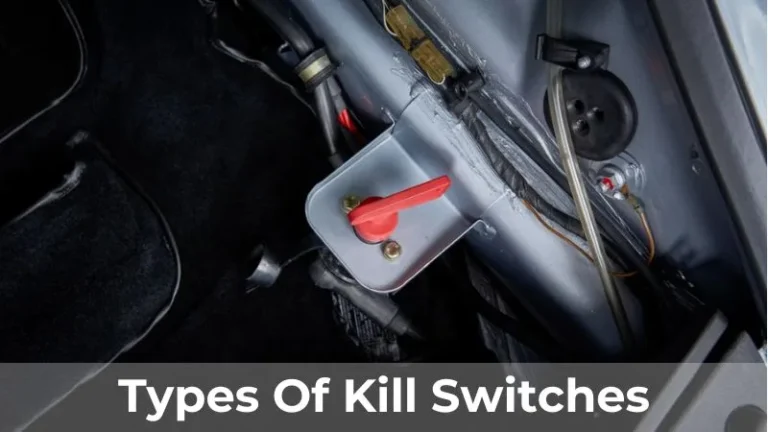
| No click at all | Dead circuit or tripped interlock | Check fuses, kill switch, clutch and neutral switches |
The starter solenoid (starter relay in some markets) converts battery current into mechanical movement of the starter drive gear. A single loud click indicates the solenoid pulled in but the motor did not rotate. Rapid clicking suggests the battery cannot sustain the voltage needed to hold the solenoid contacts closed.
Treat the click as a diagnostic tool rather than a single fault.
Battery, Terminals, and Ground Connections: Check These First
A corroded ground connection can mimic a dead battery on any cruiser. A lead-acid battery stores energy in a chemical solution of sulfuric acid and lead plates. An Absorbent Glass Mat (AGM) battery uses fibreglass separators to immobilise the acid and reduce vibration damage.
Fully charged, a 12-volt lead-acid battery reads about 12.6 volts at rest. Under starter load, many manufacturers expect at least 10.5 volts. If the voltage collapses instantly, suspect the battery itself.
If the battery holds steady but the starter still chatters, the problem sits in the cables or connections.
Clean the terminals first. Remove the negative cable, then the positive. Scrape away white or green corrosion until the metal is bright.
Tighten the terminal nuts to the torque figure in your service manual. Apply a thin layer of dielectric grease to slow future corrosion.
Do not forget the ground strap. Many cruisers run the negative return through a bolted strap to the engine or frame. Corrosion there hides easily.
Wiggle the strap by hand. If it moves or shows rust, remove it, clean both mating surfaces, and refit it securely.
A fully charged 12-volt lead-acid battery (AGM or flooded) reads approximately 12.6 volts at rest. Cold Cranking Amps (CCA) measures the current a battery can deliver for 30 seconds at 0 degrees Fahrenheit without dropping below 7.2 volts. A loose or corroded ground strap can drop cranking voltage below the starter motor’s operating threshold even when the battery reads healthy.
Starter Motor, Solenoid, and Relay: Electrical Wear Points
The starter motor is the highest-draw component on a cruiser, and it wears out first. The starter relay is a separate electromagnetic switch that controls the heavy starter circuit. The starter solenoid often combines relay and mechanical engagement in one unit, though some models use both.
A relay click with no solenoid click usually points to a failed control wire or a dead relay. If the solenoid clicks loudly but the motor stays silent, either the main contacts are burnt or the motor is seized. Worn carbon brushes inside the starter motor reduce current flow and cause slow or failed cranking.
Test for voltage drop across the main cables while someone holds the start button. More than 0.5 volts of drop indicates resistance in the cable or terminal. Clean, tight connections should show almost no loss.
If the motor still fails with full voltage, the motor itself is the fault.
| Part | Function | Failure Mode |
|---|---|---|
| Battery | Stores energy | Low voltage, internal short |
| Relay | Switches control signal | No click, dead circuit |
| Solenoid | Engages motor, high-current switch | Click but no crank, burnt contacts |
| Starter motor | Turns engine | Spins slowly, or not at all |
The starter solenoid on most cruisers performs two jobs, engaging the drive gear and closing the main contacts. A relay click with no solenoid click usually points to a failed control wire or a dead relay. Worn carbon brushes inside the starter motor reduce current flow and cause slow or failed cranking.
Per SAE International standards, starter circuit voltage drop should stay below 0.5 volts across each connection to maintain reliable cranking.
Cruiser Interlocks: Clutch, Neutral, and Side-Stand Switches
Cruisers use safety interlocks that block the start circuit when conditions are not met. A clutch switch (clutch safety switch) prevents starting unless the clutch lever is pulled in. A neutral switch confirms the gearbox is in neutral.
A side-stand switch blocks starting if the stand is down.
The side-stand switch (side-stand interlock) prevents engine start when the stand is deployed on many cruiser models. A faulty clutch switch can stop the bike from starting in neutral because the control module never receives the safety signal. Many cruisers allow starting in gear only if the clutch lever is pulled and the side stand is retracted.
If you hear no click at all, check these switches first. Make sure the bike is in neutral and the neutral light is on. Pull the clutch lever fully in.
Retract the side stand completely. If the bike still will not crank, inspect the switches for corrosion or broken wiring.
Never bypass these switches permanently. They exist to stop the bike from lurching forward if you start it in gear. Temporary bypass for roadside diagnosis is acceptable, but restore the circuit before riding.
In many jurisdictions, roadworthiness inspectors treat disabled safety interlocks as a defect, so check your local rules.
Safe Diagnosis Steps and Mistakes That Make Things Worse
Repeatedly hitting the start button on a dead battery only heats up the starter and solenoid. A parasitic draw is a small current drain that flattens a battery while the bike sits still. Follow a short checklist before you replace any parts.
- Turn on the lights. Dim or dead lights point to a battery or connection fault.
- Confirm the neutral light is on and the side stand is retracted.
- Check the main fuse and the starter relay fuse.
- Measure battery voltage with a multimeter. Below 12 volts means recharge or replace.
- Clean the terminals and ground straps, then retest.
Do not jump start a bike that might have a seized engine. Forcing the starter against a locked motor can burn the windings. Do not push start on a busy road or in traffic.
Do not disable the clutch, neutral, or side-stand interlocks as a permanent fix.
Batteries produce explosive hydrogen gas. Wear eye protection and keep sparks away. Disconnect the negative terminal first if you are removing the battery.
If the battery is swollen, leaking, or hot, stop and replace it.
When to Stop and Call a Qualified Mechanic
Some faults are beyond roadside repair. A seized engine is the clearest example. If the starter motor strains but the engine will not rotate, stop immediately.
Forcing the starter can burn the windings or shatter the drive gear. A single loud click with a completely locked engine means mechanical failure, not electrical failure.
If you have checked the battery, terminals, grounds, fuses, and interlocks, and the bike still clicks, hand it to a dealer or independent mechanic. The manufacturer’s wiring diagram will show the start circuit path. A trained technician can test for voltage drops across every connection and pinpoint a failed ECU or damaged harness.
| Symptom After Basic Checks | Likely Cause | Action |
|---|---|---|
| Engine will not rotate | Seized engine or hydrolock | Stop, call mechanic |
| Voltage drop across cables | Corroded or damaged harness | Professional repair |
| ECU error codes present | Module or sensor fault | Dealer diagnostics |
Do not attempt repairs inside the ECU. The Electronic Control Module (ECU) manages ignition and fuel injection on modern cruisers. A short circuit elsewhere can damage it.
Replace blown fuses only with the correct amperage rating. Never bypass a fuse with wire or foil. Ask for a written diagnosis before authorising work.
Roadworthiness rules matter here. If you disable a safety interlock or leave damaged wiring exposed, the vehicle safety regulator in your jurisdiction may flag the bike at periodic inspection. Check the requirements set by the registration authority in your area before you ride.
A qualified mechanic can confirm that any repair meets the manufacturer’s specification and local roadworthiness standards.
Cruiser No-Start FAQs
Can a completely dead battery still make a single click?
Yes, sometimes. A battery with very low voltage can still send enough current to pull the solenoid in once, producing a single click. But it lacks the current to spin the starter motor or hold the solenoid contacts closed.
A load test will show whether the battery can deliver its rated Cold Cranking Amps (CCA).
Why does my cruiser click rapidly when I press the start button?
Rapid clicking usually means the battery cannot sustain voltage under load. It can also indicate corroded terminals, a loose ground strap, or high resistance in the main starter cable. Test the battery voltage while cranking.
If it drops below the manufacturer’s minimum threshold, the fault lies in the power supply, not the starter.
Should I bypass the side-stand switch to get home?
No. The side-stand switch (side-stand interlock) is a safety device that prevents starting or running with the stand deployed. Bypassing it creates a crash risk and may cause a roadworthiness failure.
If the switch has failed, have it replaced. Temporary bypass for roadside diagnosis only, and restore the circuit before riding.
Can push starting damage my cruiser?
Push starting is hard on the clutch and drivetrain, especially on large-displacement cruisers. It also requires speed and a safe clear road. Do not push start if you suspect a seized engine or electrical fire.
If the bike starts easily by push, the fault is likely in the starting circuit, not the engine.
How often should I check my battery and connections?
Check the terminals and torque every month, and before long trips. A battery tender (smart charger) keeps voltage stable during winter storage. Most manufacturers recommend a load test annually.
Many insurers require documented maintenance for claims, so check your policy terms before you assume coverage.