Stalled at a red light? 3 Moves to Get Moving Again Safely is what every rider needs when the engine dies mid-traffic. It is not just embarrassing. It is a safety problem because drivers behind you are already rolling forward.
Manufacturer owner’s manuals tell riders to restart with the clutch pulled in and the brakes held. Local traffic rules around signaling and lane positioning differ by jurisdiction, so check the laws that apply where you ride. Here is the practical sequence that keeps you stable, visible, and ready to move off.
Quick Answer
Stalled at a red light? Shift to neutral. Restart the engine with the brakes held.
Pull in the clutch. Select first gear. Signal, check mirrors, and release the clutch smoothly.
Keep the bike upright and stay in control.
Why Stalling at a Red Light Is a Safety Issue, Not Just an Embarrassment
A stalled motorcycle at a red light leaves you exposed in a lane of moving traffic. Other drivers expect vehicles to accelerate when the signal changes. Even a short delay can surprise the driver behind you.
Rear-end impacts are a known risk at controlled intersections. Road safety bodies such as the National Highway Traffic Safety Administration (NHTSA) have flagged junctions as high-risk zones for rear-end collisions involving motorcycles. A motorcycle offers less physical protection than a car in a shunt.
Stalling also pulls your eyes down to the controls. That takes attention away from traffic approaching from behind and from the sides. Keeping your head up and scanning mirrors is essential safe intersection behaviour.
Many new riders stall because they are still learning the clutch bite point. That is normal during the first weeks on a new bike. But busy junctions are the worst place to practise, because traffic pressure raises stress.
Key risks include:
- Reduced visibility to drivers behind you
- Higher chance of a rear-end impact
- Distraction from mirror and road scanning
- Increased stress and poor control inputs
What Causes a Motorcycle to Stall at a Standstill?
A motorcycle stalls at a red light when the engine cannot maintain its minimum idle speed. This usually happens because a sudden load overwhelms the engine. At a standstill, the cause is typically a fuelling or clutch problem.
The clutch lever controls the connection between the engine and the rear wheel. Releasing it too quickly without enough throttle drops revs below idle. The engine cuts out and you are stranded.
Common causes include:
- Wrong gear selection, such as trying to set off in second
- Idle speed set too low for the engine
- A cold engine that has not settled after start-up
- Carburettor tuning issues on older bikes
- Side stand interlock cutting ignition in some models
Modern fuel-injection systems manage idle automatically. Older carburettor-fed motorcycles may need periodic idle adjustment. Check the owner’s manual for the manufacturer’s specified idle speed before making changes.
The side stand switch is another factor. Many motorcycles cut the ignition if the side stand is down and a gear is selected. If you stall with the stand down, the bike may refuse to restart until you flick it up.
Fuel level matters too. Running on reserve on some bikes changes the fuel pick-up height and can cause momentary starvation. Keep the tank topped up if your bike is prone to this.
Risk Factors: Hills, Heavy Traffic, and Bike-Specific Behaviour
Hills, heavy bikes, and dense traffic all raise the stakes when you stall. Each factor changes how you restart and how much room you need.
A gradient changes the restart completely. You need rear brake, clutch, and throttle working together at the same time. The rear brake holds the bike while you find the clutch bite point.
Release it too early and you roll backwards.
Engine displacement affects low-speed behaviour. Large single-cylinder engines often produce strong torque at low revs, which can make them feel luggery. High-revving multi-cylinder bikes may need more throttle to engage the clutch.
A dual-clutch transmission (DCT) motorcycle handles setting off differently from a manual clutch bike.
Weather plays a role too. Wet roads reduce grip, so rear wheel spin is easier. Cold mornings can lower battery output and make restarting harder.
Dense stop-start traffic means you stall more often, so a clear routine matters.
The Three Moves: A Safety-First Restart and Pull-Away Procedure
The three moves are reset, restart, and roll away. Each one takes a few seconds, and the sequence never changes.

Move 1: Reset the bike
Shift down or up to neutral. Confirm the neutral light is illuminated. Keep both brakes held firmly.
If traffic is close behind you, keep your thumb near the horn.
Move 2: Restart the engine
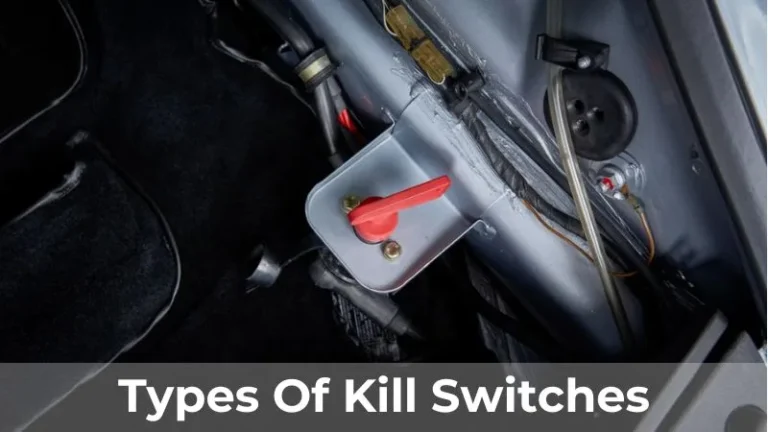
Check the kill switch is set to run. Press the starter button. Do not touch the throttle.
Let the engine settle at idle. Pull the clutch lever all the way in.
Move 3: Pull away with control
Click down to first gear. Check mirrors and do a shoulder check. Signal if local road rules require it.
Release the brakes progressively. Feed in throttle and release the clutch together. Cancel the indicator once you are moving.
| Move | Action | Key Check |
|---|---|---|
| 1 | Shift to neutral, hold brakes | Neutral light on |
| 2 | Restart engine, clutch in, brake on | Kill switch in run position |
| 3 | Select first gear, signal, mirror check | Clutch bite point found |
Never restart in gear without the clutch pulled in. Some motorcycles have a side stand interlock that prevents starting in gear, but not all do. Relying on that switch is dangerous.
If the engine floods, wait a few seconds and try again with the throttle closed. Do not hold the starter for more than a few seconds at a time.
When a Stall Is Mechanical: What to Check Before You Ride Again
Repeated stalling at a red light often points to a mechanical fault, not rider error. One stall is usually a rider issue. Two or three in a row suggests something needs attention.
Check the basics before you ride again:
- Battery voltage and clean terminals
- Idle speed against the manufacturer’s specification
- Clutch cable or hydraulic free play
- Fuel level and pump operation
- Spark plug condition
- Air filter blockage
A weak battery is a common culprit. The starter motor draws significant current, especially on larger engines. If the lights dim when you press start, the battery may be discharging.
Clutch drag can also cause stalling. If the clutch does not fully disengage, the bike will try to move when you select a gear. That loads the engine and kills it.
Electrical faults can be intermittent. A loose ground connection may work when cold but fail when hot. If the bike starts fine at home but dies at lights, note the conditions and share them with a mechanic.
If you cannot restart safely, move the bike off the roadway if local traffic law allows. Do not attempt a push start on a busy road. Call for assistance if needed.
FAQs: Stalling, Neutral, and Intersection Restarts
Should I hold the clutch at a red light or shift to neutral?
Many manufacturers recommend shifting to neutral when you are stopped for more than a few seconds. This reduces strain on the clutch cable or hydraulic system and cuts hand fatigue. Keep the front brake applied and stay alert.
If the wait is very short, holding the clutch in first gear is workable, but neutral is the safer habit for longer stops.
Can I restart the engine while still in gear?
You can, but only with the clutch lever fully pulled in. Many motorcycles have a side stand interlock or clutch switch that blocks starting in gear, but not every bike has this feature. Never rely on an interlock as your only safeguard.
Confirm neutral if you are unsure, then restart with the brakes held.
Why does my bike keep dying at lights but starts fine at home?
Repeated stalling under specific conditions often points to an electrical or fuelling fault. A weak battery, loose ground connection, or clogged fuel injector can cause intermittent failure. Note when it happens and share those details with a mechanic.
A cold engine or low idle speed is another common trigger.
Is it legal to push-start or jump-start on the road?
Rules vary by jurisdiction, so check local traffic law before attempting either method. Pushing a motorcycle at a busy intersection is dangerous and may breach road safety regulations. If the bike will not restart, move it clear of traffic where permitted and seek assistance.
Does stalling damage my engine?
A single stall will not damage a healthy engine. Repeated stalling stresses the starter motor and battery. It can also cause a fall if the bike topples.
Frequent stalls usually mean the idle speed, clutch adjustment, or fuelling system needs attention.
Verified Summary: Your Minimum Safe Response If You Stall
If your engine stalls at a red light, reset to neutral, hold both brakes, and restart with the clutch pulled in. Keep your head up and scan mirrors. Signal if required, select first gear, and move away smoothly.
One stall is usually a momentary load issue or rider error. Repeated stalls mean you should check the battery, idle speed, and clutch adjustment before riding again. A weak battery or a dragging clutch will kill the engine under load.
Road safety research from bodies such as the National Highway Traffic Safety Administration has documented rear-end risks at intersections. That work is why staying visible and moving away promptly matters.
Never restart in gear without the clutch fully pulled in, even if your bike has an interlock switch. If the bike will not restart, move clear of traffic where local law allows and seek help. Stay visible, stay calm, and treat every stop as a fresh start.